







Search Results for: Western Valley
Exploring Costa Rica's Western Valley: From Coffee Cultivation History to the Path of Excellence at Hacienda La Hermosa
Costa Rica was the first country in Central America to cultivate coffee and is the world's fourteenth-largest coffee producer. With numerous volcanoes and a diverse climate, it offers superior conditions for coffee cultivation. As one of the country's three best-producing regions, the Western Valley region is known for its cool climate and renowned estates, such as Hacienda La Esmeralda (Beautiful Plain Estate), which has repeatedly achieved outstanding results in COE competitions. This article will guide you through the development history of Costa Rican coffee and the evolution of processing methods, and take a deeper look at the terroir and representative estates of the Western Valley region, while retaining Front Street brand recommendations, making it suitable reading for coffee enthusiasts. [more…]
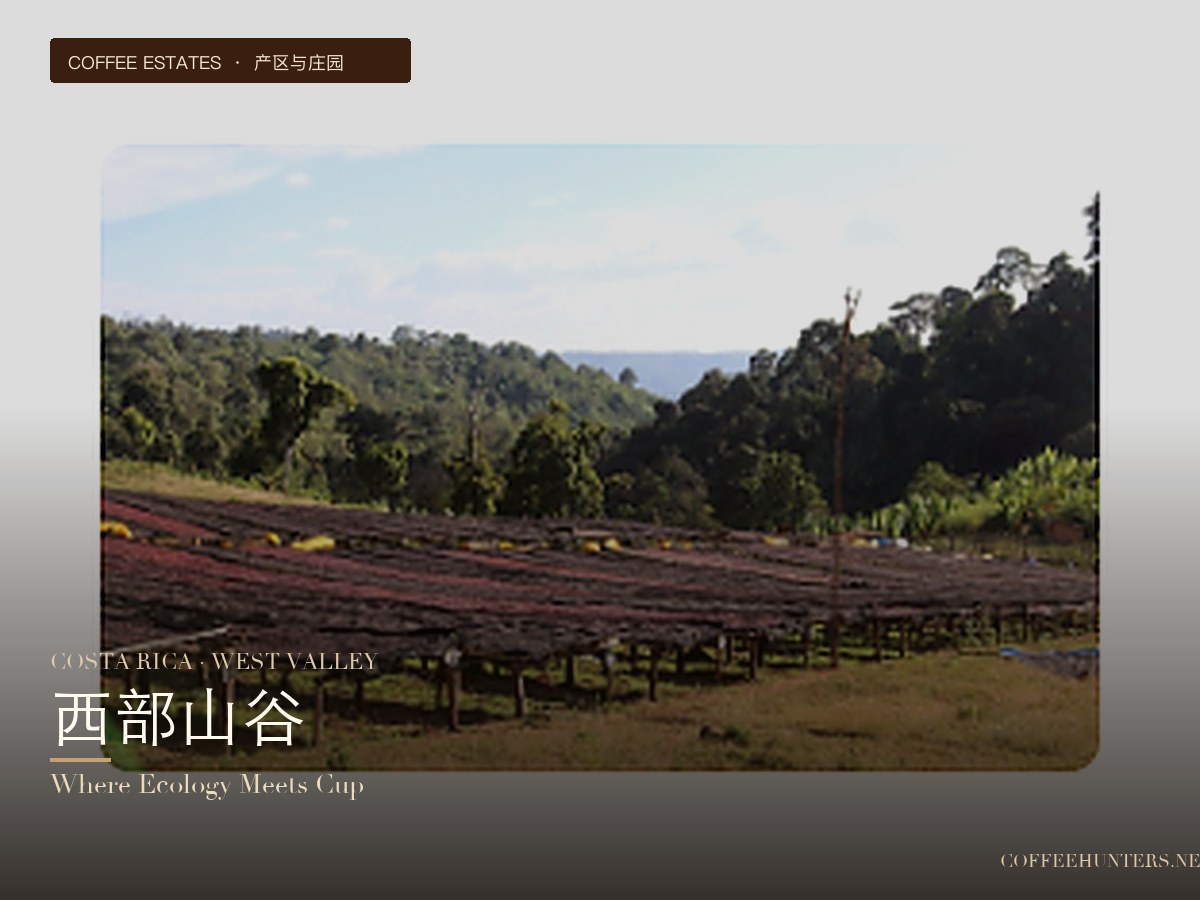
Costa Rica · Western Valley: A Representative of Ecological Specialty
The Western Valley is one of Costa Rica's four major specialty coffee regions, known for its eco-friendly growing philosophy and diverse processing methods. This article introduces the characteristics and signature flavors of this region. [more…]
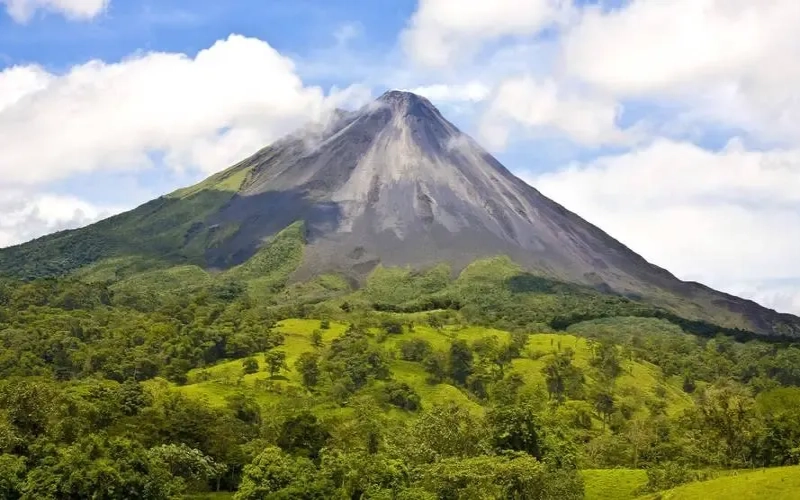
Exploring Costa Rica's Western Valley: A Full Analysis of Coffee Cultivation at Blue Volcano Estate
Costa Rica, as a major coffee-producing country in Central America, is known for its West Valley region, which is famous for its fertile volcanic soil and pleasant climate. Hacienda Blue Volcano is located here, and has not only stood out multiple times in COE competitions, but also won the championship in 2013. This article will guide you through the estate's historical heritage, cultivation philosophy, and rich variety of beans, and recommend related products from Front Street Coffee, making it suitable for every coffee enthusiast to explore in depth. [more…]
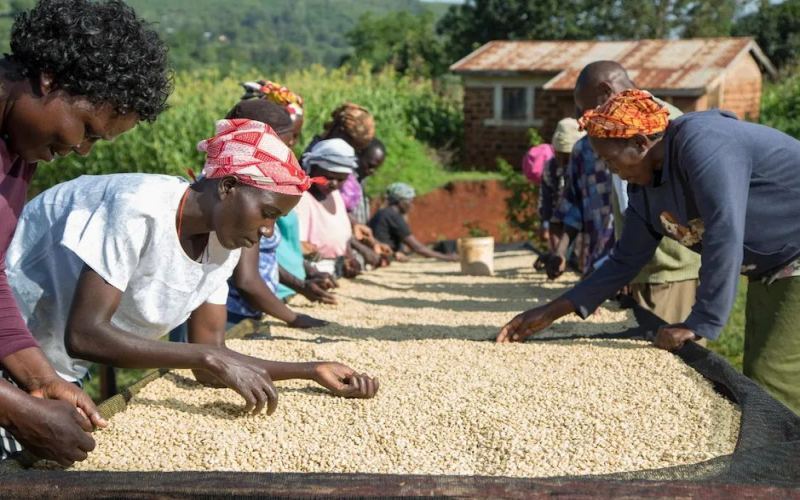
How are Kenya's coffee-growing regions divided? What makes the producing area at the foot of Mount Elgon in the west unique?
Kenyan coffee is renowned in the specialty coffee world for its layered fruity aromas and full, juicy body. This country in eastern Africa, with its high-altitude mountains, volcanic soil, and tropical monsoon climate, provides exceptional natural conditions for coffee cultivation. Kenya's coffee-growing regions are mainly divided into three major blocks: the Central Region, the East African Rift Valley Region, and the Western Region. Among them, the Western Region is represented by three major producing areas—Elgon, Trans-Nzoia, and Bungoma—at the foot of Mount Elgon, whose coffees feature bright acidity, citrus fruit flavors, and a rich body. This article will guide you through the overall distribution of Kenya's coffee-producing regions and take a closer look at the terroir characteristics of the Western Region. [more…]

The Cultivation Origins and Flavor Analysis of Geisha Coffee in Costa Rica's Western Valley and Tarrazú Regions
Costa Rica is located in the Central American isthmus. Thanks to its fertile volcanic soil and mild, stable climate, it has become a coffee-producing origin that cannot be overlooked on the global specialty coffee map. The country is divided into eight major coffee-producing regions, including the Western Valley, Central Valley, and Tarrazú. Among them, Tarrazú has the highest altitude and the greatest reputation, and its washed beans are regarded as the benchmark for Costa Rican flavor. Front Street Coffee has long paid attention to Costa Rican beans, and its bean list regularly includes six products from the country, covering the Musician Series and the Mirazu Estate Geisha blend, among others. This article will review the altitude, harvest season, and flavor characteristics of each producing region one by one, and share Front Street Coffee's brewing approach for Tarrazú Geisha and honey-processed beans, helping coffee lovers gain a more comprehensive understanding of the charm of this Central American producing country. [more…]
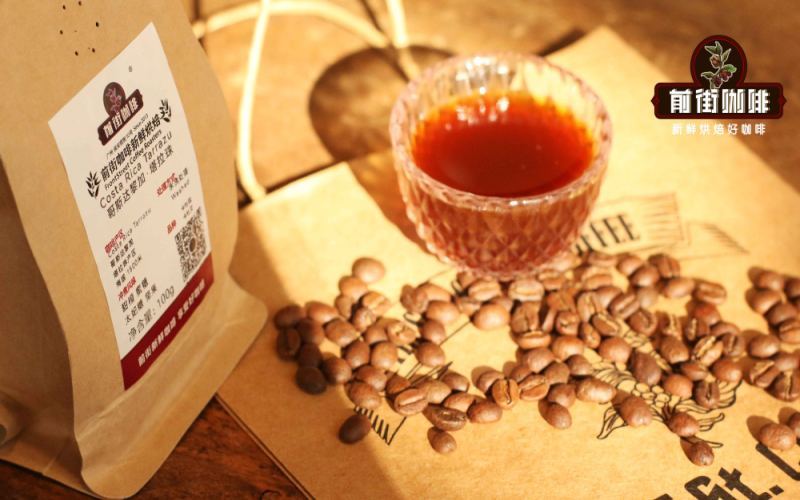
Comparison of Sun-Dried Coffee from Costa Rica's Three Major Regions: Analyzing the Flavor Differences Between Tarrazú, the Western Valley, and the Central Valley
Front Street Coffee has previously compared the differences among coffees from various Kenyan regions using the same processing method; this time, we turn our attention to Costa Rica. Also using natural processing, how much will the flavors differ among coffees from three major regions—Tarrazú, the Western Valley, and the Central Valley? This article will compare three beans—from the Pirong Processing Plant, Genesis, and Black Soul—one by one, from bean background, green bean appearance, and roasting curves to cupping and pour-over performance. If you haven't yet tried Costa Rican specialty coffee, you might start with the classic Front Street Tarrazú washed Caturra and savor its soft aroma of sweet orange, nuts, and chocolate. [more…]
Analysis of Costa Rica Sumava Estate Black Honey Coffee Beans: From the Terroir of the Western Valley to the Unique Sweet Juice Processing Method
Costa Rica's Sumava Estate is located in the Western Valley production region at an altitude of about 1,700 meters and is renowned for its black honey processing method. Estate owner Francisco Mena uses a unique sweet juice honey processing method, soaking parchment beans in coffee cherry juice to give the coffee a richer flavor. This article will introduce in detail the background of the Costa Rica production region, the terroir conditions of Sumava Estate, the characteristics of the black honey processing method, green bean analysis, the roasting curve, and pour-over recommendations. Front Street Coffee recommends this black honey processed Caturra, whose flavor presents black sugar, floral notes, citrus, and sweet spices, with a sweet and syrupy mouthfeel. Through this article, you will gain a comprehensive understanding of the unique charm of this champion estate coffee. [more…]
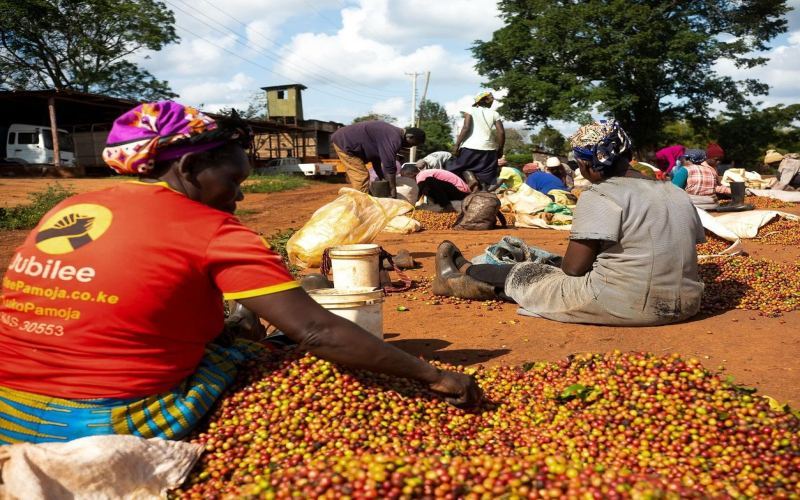
An Overview of Coffee-Producing Regions in West-Central Kenya and the Flavor Characteristics of K72 Washed Coffee
Kenya, as a representative producing country of African specialty coffee, has always been a focus of coffee lovers' attention in terms of its production area distribution and processing techniques. Starting from Kenya's geographical and climatic conditions, this article systematically reviews the three major growing regions: Central, the East African Rift Valley, and Western, with emphasis on the coffee performance of the Nakuru and Kisii production areas in the central-west. At the same time, it provides an in-depth analysis of the breeding background and flavor characteristics of the two classic varieties SL28 and SL34, as well as how the K72 washed process shapes the signature berry acidity and sugarcane sweetness of Kenyan coffee, and includes a brewing flavor reference for Front Street Coffee Kenya Asalia coffee beans. [more…]
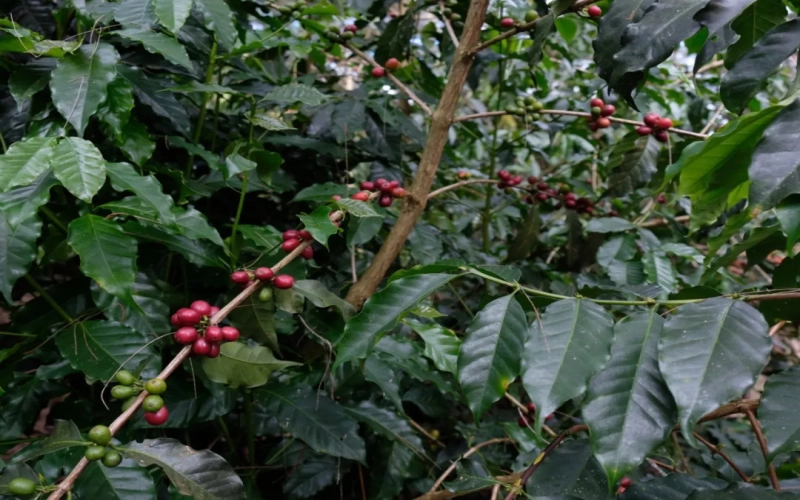
A Complete Analysis of the Bird of Paradise Coffee Beans from Sigri Estate in the Western Highlands of Papua New Guinea
Papua New Guinea is known as "Little Blue Mountain" because it introduced Jamaican Blue Mountain Typica, and its Western Highlands production area is the core of the country's coffee industry. Since its establishment in 1950, Sigri Estate has relied on the volcanic soil and cool climate above 1,500 meters in the Waghi Valley, insisting on pesticide-free cultivation and hand-picking, and since 1957 it has introduced the Blue Mountain Typica variety, using the national bird, the bird of paradise, as its burlap sack mark. This washed Typica launched by Front Street Coffee presents caramel, cocoa, almond notes and citrus acidity after medium-dark roasting, with a mellow and balanced taste. This article will systematically introduce the country's coffee-growing conditions, the terroir advantages of the Western Highlands, and the history and pursuit of quality of Sigri Estate. [more…]
Papua New Guinea Bird of Paradise Coffee: The "Little Blue Mountain" Flavor of the Typica Variety and a Brewing Guide
Papua New Guinea is hailed as a "Little Blue Mountain" producing region; its Typica variety originates from Jamaican Blue Mountain, and combined with an island-type highland growing environment, it displays a unique flavor balancing bright acidity with floral and fruity aromas. Starting from Front Street Coffee's sourcing practice, this article systematically reviews the country's producing regions, cultivation models, historical development, and grading system, with a focus on the terroir characteristics of Sigri Bird of Paradise Estate and Kimel Estate, and includes Front Street's roasting curves, cupping comparisons, and three-pour hand-brewing parameters. If you want to understand this island coffee that carries Blue Mountain lineage yet shows more pronounced fruity acidity, this article provides a complete knowledge framework and practical reference. [more…]
A Complete Analysis of Panama Coffee Origins, Varieties, and Flavors: An Introduction to Boquete and Other Specialty Estates
Although Panama is a small country, it occupies a pivotal position in the world of specialty coffee. Its high-altitude areas in the western province of Chiriquí give rise to top-tier beans sought after by coffee lovers worldwide. From Boquete to the surroundings of Volcán Barú, a group of star estates, relying on unique microclimates and relentless research, have repeatedly broken cupping records. This article will systematically review Panama's main coffee-producing regions, common varieties, and processing methods, and introduce one by one the flavor characteristics and background stories of representative estates such as Hacienda La Esmeralda, Elida Estate, and Carmen Estate, helping readers gain a comprehensive understanding of the coffee charm of this "Valley of the Moon." [more…]
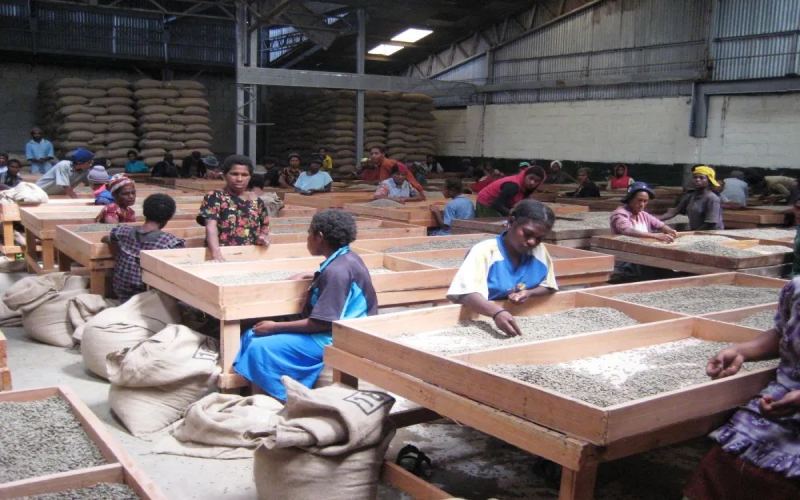
Oceanian Coffee Beans | How Are Papua New Guinea Coffee Beans Graded? What Flavor Characteristics Does the Sigri Estate Bird of Paradise Coffee Have?
You may not be very familiar with Papua New Guinea as a coffee origin, but Front Street Coffee believes that Front Street Papua New Guinea coffee stands out uniquely among the many coffees. Papua New Guinea is located in the southwestern Pacific, along the Pacific Ring of Fire, and is part of a volcanic geological zone with fertile volcanic soil, making it [more…]
An Analysis of Ethiopian Coffee Bean Varieties and Characteristics: Trading Models and Flavor Regions in the Country with the World's Richest Coffee Diversity
Ethiopia is hailed as the Garden of Eden of coffee, the birthplace of heirloom coffee varieties and a global treasure trove of coffee genetics. Within its borders lie thousands, even tens of thousands, of coffee varieties, most of them wild and undiscovered. Coffee production involves approximately 15 million people, primarily organized through smallholder cooperatives, and accounts for more than half of the country's GDP. The East African Rift Valley divides the growing regions into eastern and western walls; the east is represented by Harar, Sidamo, and Yirgacheffe, while the west includes Lake Tana, Gimbi, and Limu. The government centralizes grading and sales through the ECX exchange and registers trademarks to protect quality. Coffee is produced under four models: forest, semi-forest, garden, and plantation. The coffee ceremony is furthermore an ancient and elegant national art of Ethiopia. Front Street Coffee recommends that you delve deeper into the coffee culture of this mysterious country. [more…]
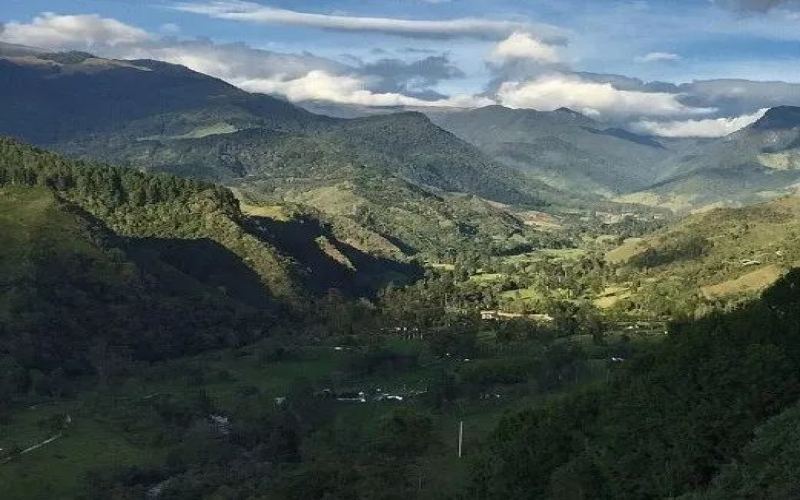
Distribution and Flavor Characteristics of Colombian Coffee Regions: An Analysis of Andean Micro-Lots and the Case of Zacatin
South America contributes over half of the world's coffee production, with Brazil and Colombia ranking as the world's first and third largest producers respectively. Unlike Brazil's large-scale plantation model, Colombia, due to its complex mountainous terrain and diverse microclimates, is dominated by small coffee estates. The best-selling Sidra, Rose Valley, and Flower Moon on Front Street Coffee's bean list come from locally renowned estates. Colombian coffee is mainly distributed in the central and western Andes mountain range, with 15 production regions divided by province nationwide. Cauca, Santander, Antioquia, Narino, Tolima, and Huila are the main forces. Huila's Finca La Divisa, Tolima's Finca La Roca, and Cauca's Finca La Esperanza are widely known, while Antioquia, though famous for its high yield, also has family businesses like Finca Zacatin that produce high-quality coffee. [more…]

Exploring the East African Coffee Landscape: A Full Analysis of Tanzania's Kilimanjaro and Arusha Producing Regions
The African continent is dominated by plateaus, and the East African region in particular is home to the Ethiopian Highlands and the East African Plateau, with the Great Rift Valley running through it, dense clusters of volcanoes and lakes, and the Equator crossing it—together creating natural conditions extremely well suited to coffee cultivation. Coffee produced in this region accounts for about 14% of total global output, and Tanzania, thanks to its high-quality coffee, is known as the "coffee gentleman." Tanzania's terrain is high in the northwest and low in the southeast, with Mount Kilimanjaro standing in the northeast at 5,895 meters above sea level, the highest peak in Africa. Around this mountain, two core producing regions have formed: Kilimanjaro and Arusha. High altitude, volcanic soil, and pure snowmelt water together create the distinctive quality of the local coffee. Front Street Coffee also has a washed Typica from the Kilimanjaro producing region, and its flavor profile is worth noting. [more…]

A Complete Guide to Kenyan Coffee Flavors and Grading System: From the East African Highlands to the Thika Region
Kenya, as an important coffee-producing country in East Africa, is renowned for its multi-layered flavors and bright, juicy acidity. This article starts with the terrain and climatic conditions of the African highlands, sorts out the three major coffee-growing regions in Kenya, focuses on the geographical advantages of the central producing region Thika and the distribution of processing plants, and explains in detail Kenya's official green bean grading system AA+, AA, AB, PB, C, E, TT, and T, as well as the TOP, PLUS, and FAQ cupping grades added by exporters. The article also presents the flavor description of Front Street Coffee's coffee beans from the Asalia processing plant in the Thika producing region, helping coffee enthusiasts gain a comprehensive understanding of the unique charm of Kenyan coffee. [more…]

Papua New Guinea Bird of Paradise Coffee: Analysis of the Fruity Acidity, Jasmine Aroma of the Typica Variety, and the Flavor of Sigri Estate
Papua New Guinea coffee is called "Little Blue Mountain" because it was introduced from Jamaica Blue Mountain Typica, yet its flavor has a dark fruity sweet-and-sour note different from Blue Mountain. This year Front Street Coffee has selected the Bird of Paradise coffee from Sigri Estate to help you understand this country's coffee cultivation model, main producing regions, and processing methods. Bird of Paradise Estate is located in the Waghi Valley of the Western Highlands Province, at an altitude of about 1,500 meters, with volcanic soil and a cool climate, insisting on hand-picking fully ripe cherries and the washed fermentation process, creating bright fruit acidity and a delicate jasmine aroma. This article, based on Front Street's cupping and brewing experience, provides a comprehensive analysis of this coffee's origin background, variety lineage, and flavor characteristics. [more…]
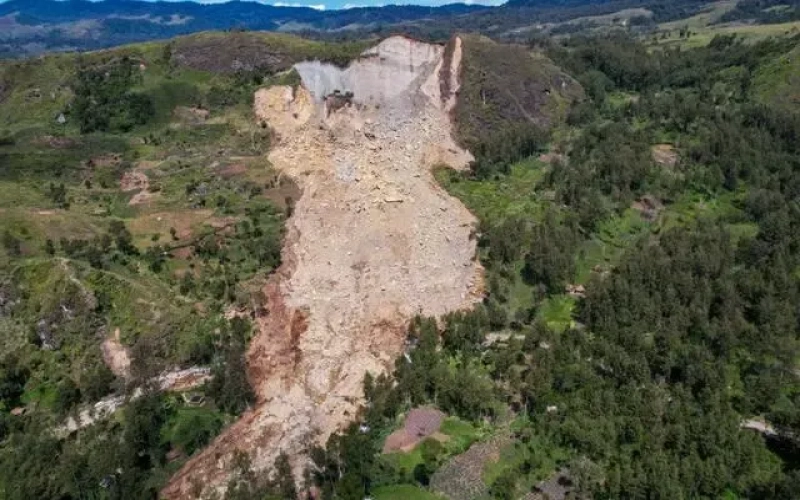
A massive landslide in Enga Province, Papua New Guinea, has buried more than two thousand people, dealing a severe blow to the coffee harvest season.
Recently, the Oceanian nation of Papua New Guinea has been hit by a series of severe natural disasters. A massive landslide occurred in the early hours of the 24th in the Mulitaka area of Enga Province in the north, burying more than 2,000 people, with the death toll now exceeding 670. Months of heavy rainfall that loosened the soil was the main cause of the disaster. The disaster area, Mount Enga, is adjacent to the Western Highlands Province, Papua New Guinea's core coffee-producing region, where coffee is mostly grown in the Waghi Valley. As the coffee harvest season is currently underway, emergency evacuations have left the coffee cherries unpicked, and production is certain to be affected. At least 15 landslides had already occurred in the country previously, and the coffee-producing region of Chimbu Province in the central region was also affected. Several countries have dispatched rescue teams to assist with search and rescue efforts. [more…]
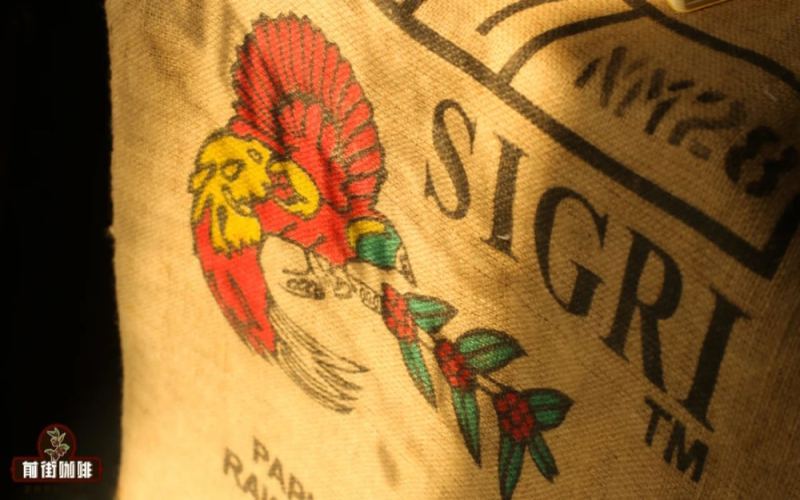
Papua New Guinea Bird of Paradise Coffee Beans: The Origins of the "Little Blue Mountain," Terroir of the Producing Region, and Front Street Brewing Method
In Papua New Guinea, the largest island nation in the South Pacific, a coffee often called "Little Blue Mountain" is produced—Bird of Paradise. It carries Blue Mountain lineage because Typica was introduced from Jamaica in 1931, and thanks to the volcanic soil of the Waghi Valley and a three-time washed fermentation process, it presents a cup profile that combines bright fruit acidity, floral and fruity aromas, and full body. Through multi-region comparison and cupping selection, Front Street Coffee has listed the AA-grade washed beans from Bird of Paradise Estate and offers brewing suggestions using a medium-dark roast and a Kono dripper. This article will outline Papua New Guinea's geographical environment, coffee history, producing region distribution, grading and naming rules, as well as the cultivation and processing details of Bird of Paradise Estate, to help coffee enthusiasts gain a comprehensive understanding of this "Little Blue Mountain." [more…]
Papua New Guinea Sigri Estate Bird of Paradise Coffee: Variety Origins, Flavor Characteristics, and Front Street Brewing Notes
Papua New Guinea coffee is often called "Little Blue Mountain," a name closely tied to its introduction of the Jamaican Typica variety and its similar island growing conditions. This year, Front Street Coffee has selected Bird of Paradise coffee from the Sigri Estate in Western Highlands Province. Established in 1950, the estate sits in the Waghi Valley at elevations above about 1,500 meters, with volcanic soil and a cool climate, and it insists on pesticide-free cultivation and hand-picking. This article will provide a complete analysis of the flavor performance of this Front Street Papua New Guinea Bird of Paradise coffee—from the background of the origin, the source of the variety, the story of the estate, the appearance of the green beans, and the roasting curve to a staged brewing plan—featuring nut and cocoa notes as the main profile, accompanied by a soft berry sweetness, a rich and balanced mouthfeel, and gentle acidity. [more…]